
Introduction
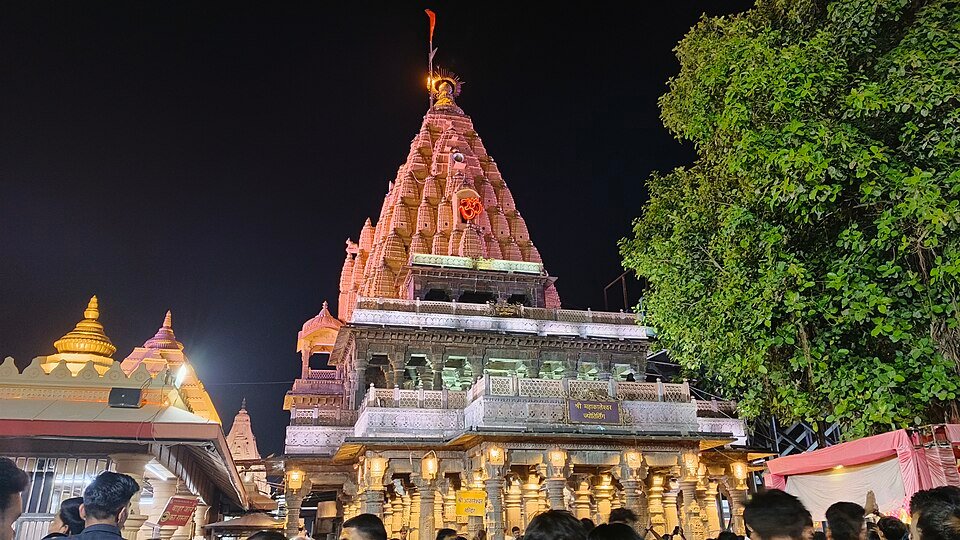
The Ujjain Kumbh Mela is a monumental festival celebrated in the historic city of Ujjain, Madhya Pradesh, recognized as one of the largest spiritual congregations in the world. Held every 12 years, this sacred gathering draws millions of pilgrims, ascetics, and spiritual seekers who come to participate in religious rituals, holy dips, and communal festivities along the revered Shipra River.
History and Sacred Importance
Ujjain’s association with the Kumbh Mela traces back centuries and is deeply rooted in ancient Hindu mythology. According to legend, the nectar of immortality (‘Amrit’) spilled at four places on Earth during a celestial struggle, making Ujjain a sanctified site. The festival is a time for renewal, reflection, and liberation, with devotees believing that participating in the rituals washes away sins and brings spiritual benefits.
Major Rituals and Customs
The highlight of the Mela is the ‘Shahi Snan’ or royal bath, where revered saints and devotees immerse themselves in the waters of Shipra, marking the auspicious days with chants, prayers, and ornate processions. The festival grounds bustle with spiritual discourses, devotional music, yoga exhibitions, and traditional fairs selling handicrafts, literature, and local delicacies.
Impact on Regional Culture
Beyond its religious significance, Ujjain Kumbh Mela stands as a symbol of unity and harmony for Central India. The city transforms into a melting pot of diverse cultures, languages, beliefs, and traditions. Locals open their doors and hearts to host pilgrims, making the event a vital showcase of hospitality and heritage.
Conclusion
For those seeking to experience Central India’s spiritual magnificence, the Ujjain Kumbh Mela offers a rare opportunity to be part of a tradition that transcends time, faith, and societal boundaries. It embodies the spirit of devotion and community, making it a cornerstone of Madhya Pradesh’s cultural identity.